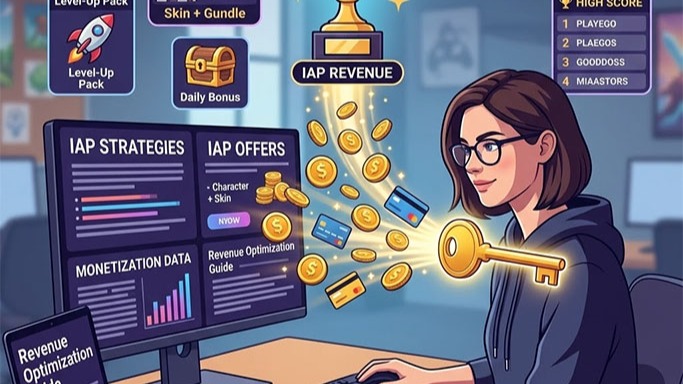
Mastering In-App Purchases: A Developer's Guide to Mobile Game Monetization
In the vibrant and competitive world of mobile gaming, In-App Purchases (IAPs) have become the cornerstone of monetization for countless free-to-play (F2P) titles. Far more than just a payment gateway, a well-executed In-App Purchase strategy is a sophisticated blend of game design, economics, and player psychology. For mobile game developers, understanding and optimizing IAPs is paramount to achieving sustainable revenue and long-term success. This guide will delve into what IAPs are, their different forms, best practices for implementation, and the critical role of analytics in refining your monetization strategy.
What Are In-App Purchases (IAPs)?
An In-App Purchase is any item, feature, or content that users can buy directly within a mobile application. For games, this typically includes virtual currency, cosmetic items, power-ups, extra lives, ad removal, or access to new levels. Unlike premium games that require an upfront payment, F2P games leverage IAPs to generate revenue from their player base, often providing a core experience for free while offering optional enhancements for purchase. This model has proven incredibly successful, making IAPs a central pillar of mobile game monetization.
The Different Flavors of In-App Purchases
IAPs come in various forms, each designed to cater to different player needs and monetization goals. Understanding these types is crucial for building a diverse and effective In-App Purchase strategy.
Consumable Purchases
- Definition: Items that can be used up and repurchased.
- Examples: Virtual currency (gems, coins), extra lives, boosts, energy refills, loot boxes.
- Insight: These drive repeat purchases and are often designed to alleviate friction or accelerate progress within the game.
Non-Consumable Purchases
- Definition: Items that are purchased once and permanently unlocked.
- Examples: Ad removal, new characters, permanent power-ups, expansion packs, cosmetic skins, specific levels or game modes.
- Insight: These offer lasting value and can be a significant one-time revenue driver, often appealing to players looking for a complete experience or personalization.
Subscriptions
- Definition: Recurring purchases that grant access to exclusive content or benefits for a set period.
- Examples: Battle passes, premium memberships, daily rewards, ad-free experience plus bonuses.
- Insight: Subscriptions foster long-term engagement and predictable recurring revenue, building a loyal paying user base.
Crafting a Winning In-App Purchase Strategy
A successful In-App Purchase strategy isn't about pressuring players; it's about enhancing their experience and offering compelling value. Here are actionable tips for developers:
Offer Real Value, Not Just Convenience
- Enhance Gameplay: IAPs should genuinely improve the player's experience, whether through new content, customization options, or meaningful progression.
- Cosmetic Appeal: Skins, emotes, and other cosmetic items allow players to express themselves without affecting gameplay balance.
- Time-Saving Options: For busy players, IAPs that accelerate progress can be highly valuable, but ensure the core game remains enjoyable without them.
Strategic Pricing and Bundling
- Tiered Pricing: Offer a range of price points for virtual currency or items, from small impulse buys to larger, higher-value bundles.
- Attractive Bundles: Combine multiple items or currencies into special bundles that offer a perceived discount compared to buying items individually.
- Limited-Time Offers: Create urgency and excitement with flash sales or exclusive deals on popular IAPs.
Optimal Placement and Visibility
- Contextual Offers: Present IAPs when they are most relevant to the player (e.g., offer more lives after a failed level, suggest a new weapon before a tough boss).
- Dedicated Storefronts: Design an intuitive and appealing in-game store that is easily accessible.
- Post-Level Rewards: Showcase premium rewards or offer a chance to double earnings through a small purchase after completing a challenging level.
Personalization Through Player Segmentation
- Tailored Offers: Use player data to understand spending habits, playstyle, and progression. Offer personalized IAP suggestions that resonate with individual players.
- Targeted Promotions: Segment players into groups (e.g., new players, lapsed players, whales, non-spenders) and offer specific promotions designed to convert or re-engage them.
Balance is Key: Free-to-Play vs. Pay-to-Win
- Maintain Integrity: Ensure that IAPs do not create an unfair “pay-to-win” scenario that alienates non-spending players. The core game should be enjoyable and completable without purchases.
- Rewarding Free Progress: Provide ample opportunities for non-paying players to earn rewards and progress, fostering a sense of accomplishment and encouraging engagement.
The Indispensable Role of Game Analytics in IAP Optimization
To truly master your In-App Purchase strategy, you need robust data. Game analytics platforms provide the insights necessary to understand player behavior, identify monetization opportunities, and optimize your IAP offerings. Key metrics to track include:
- ARPU (Average Revenue Per User): Total revenue divided by the total number of active users.
- ARPPU (Average Revenue Per Paying User): Total revenue divided by the number of users who made an IAP. This reveals the spending power of your payers.
- Conversion Rate: The percentage of active users who make at least one IAP.
- LTV (Lifetime Value): The predicted revenue a user will generate throughout their engagement with your game.
- Churn Rate: The rate at which players stop playing your game, which impacts long-term IAP revenue.
By constantly monitoring these metrics, developers can conduct A/B tests on pricing, bundle contents, UI placement, and promotional messaging. Analytics help identify where players drop off, what items are most popular, and which price points yield the best results, allowing for data-driven adjustments that boost your mobile game monetization.
Future-Proofing Your In-App Purchase Strategy
The IAP landscape is constantly evolving. Developers should keep an eye on trends like AI-driven dynamic pricing, which adjusts offers based on real-time player behavior, and the increasing sophistication of subscription models. Staying agile and leveraging advanced analytics will be key to maintaining a competitive edge.
Conclusion
In-App Purchases are more than just a revenue stream; they are an integral part of the mobile game experience. By understanding the different types of IAPs, implementing thoughtful strategies that prioritize player value, and harnessing the power of game analytics, developers can create compelling monetization models that delight players and ensure the long-term success of their titles. Embrace data-driven decisions to continually refine your In-App Purchase offerings and unlock your game's full revenue potential.