
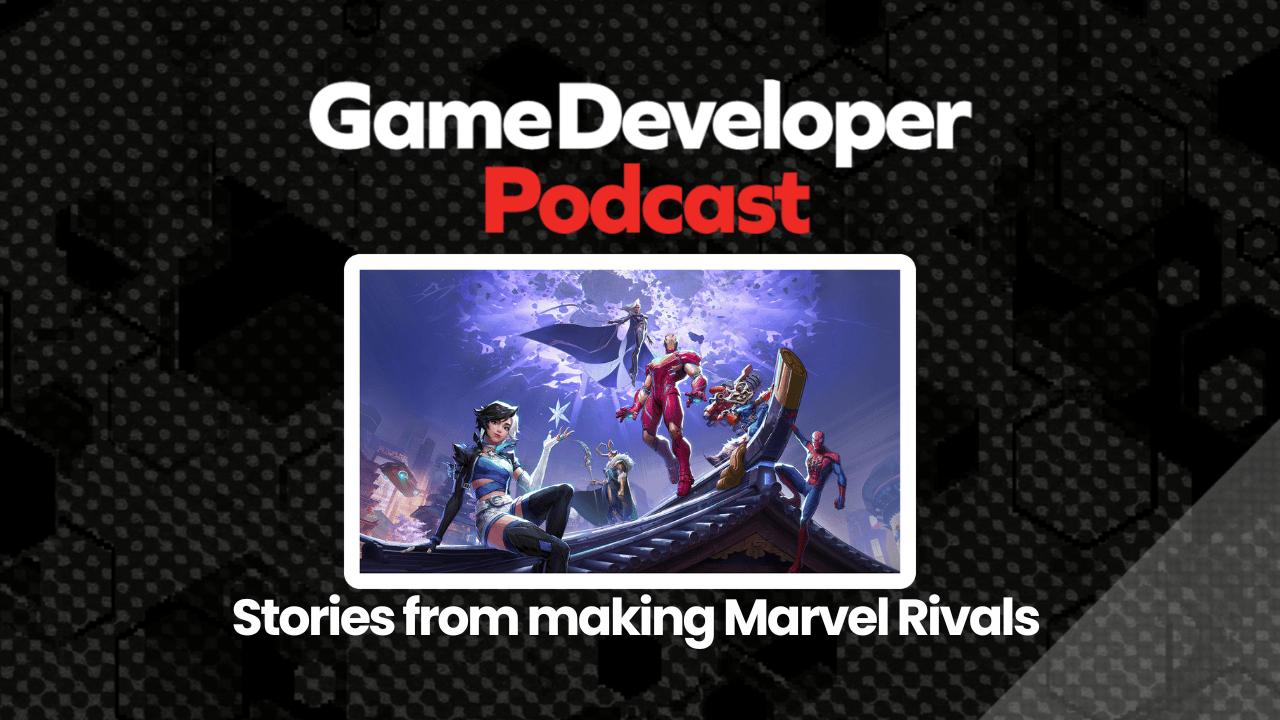
Building Worlds, Powering Play: The Marvel Rivals Development Story Through an Analytics Lens
In the highly competitive world of mobile gaming, where player engagement and retention are paramount, understanding the intricate dance between creative vision and data-driven strategy is crucial. The upcoming superhero brawler, Marvel Rivals, developed by NetEase Games in collaboration with Marvel Games, offers a compelling case study. We delve into the insights shared by NetEase Games Publishing and Marketing Lead, Yachen Bian, and Marvel Games Executive Producer, Danny Koo, to uncover the strategic decisions that underpin such a high-profile project, viewed through the lens of a game analytics expert.
The Power of IP: A Head Start in User Acquisition
For any new game, especially in the saturated mobile market, user acquisition (UA) is a formidable challenge. However, leveraging a globally recognized IP like Marvel provides an unparalleled advantage. As Bian and Koo discuss the genesis of Marvel Rivals, it's clear that the inherent brand equity of Marvel characters immediately lowers the barrier to entry for potential players.
- Initial UA Boost: A strong IP significantly reduces the cost per install (CPI) and increases click-through rates (CTR) on marketing campaigns. Players are already familiar and invested in the universe.
- Pre-Launch Hype: The Marvel name generates organic buzz, driving early wishlists and community formation, which are vital indicators for launch success and future retention.
- Targeted Demographics: Analytics teams can pinpoint existing Marvel fan bases, allowing for highly targeted and efficient marketing spend from day one.
For mobile game developers, this highlights the immense value of strong IP, but also the responsibility to deliver an experience that lives up to player expectations, ensuring that initial interest translates into sustained engagement.
Collaborative Synergy: Aligning Vision with Data
The development of Marvel Rivals is a testament to robust cross-company collaboration. NetEase Games, a powerhouse in mobile development and publishing, partnered with Marvel Games, the custodians of a beloved universe. This requires more than just creative alignment; it demands a structured approach to decision-making, often informed by data.
Danny Koo's role as Executive Producer for Marvel Games emphasizes maintaining the authenticity and integrity of the Marvel brand. This involves a delicate balance: allowing creative freedom for NetEase while ensuring the game resonates with established lore and character personalities. Yachen Bian, from the publishing and marketing side, brings insights into market trends, player preferences, and monetization strategies.
- Shared KPIs: Successful collaborations define clear Key Performance Indicators (KPIs) from the outset, ensuring both parties are working towards common goals – whether it's player satisfaction scores, retention rates, or monetization targets.
- Iterative Feedback Loops: Analytics provides the objective data needed for iterative development. Early playtests, feature prototypes, and A/B testing can inform design choices, ensuring the game evolves in a player-centric direction.
- Unified Vision Tracking: Tools and processes are essential to track progress against the shared vision, identifying potential roadblocks early and allowing for data-informed course corrections.
This partnership exemplifies how diverse expertise, when strategically aligned and supported by a commitment to understanding player behavior, can lead to a compelling product.
Designing for Engagement: Beyond the First Play
While the Marvel IP draws players in, it's the core gameplay, character abilities, and progression systems that ensure long-term engagement and retention. Bian and Koo's discussions implicitly touch upon the design philosophy aimed at keeping players hooked.
For a brawler like Marvel Rivals, this means meticulous attention to:
- Core Loop Engagement: Is the moment-to-moment combat satisfying? Are the character kits balanced and exciting? Analytics helps track player time spent in different game modes and character pick rates, revealing what resonates.
- Progression & Rewards: How do players feel about their journey? Are there meaningful goals to pursue? Data on player progression speed, achievement unlocks, and event participation guides the tuning of these systems.
- Social Features: Multiplayer games thrive on social interaction. Understanding how players form teams, communicate, and compete provides insights into community health and long-term stickiness.
Every design choice, from character abilities to monetization mechanics, has an impact on player behavior metrics that can be tracked, analyzed, and optimized to foster a vibrant, engaged community.
The Road Ahead: Live Operations and Continuous Optimization
The launch of Marvel Rivals is merely the beginning of its journey. As a live-service game, its ongoing success will depend heavily on robust live operations (LiveOps) and continuous, data-driven optimization.
Yachen Bian's expertise in publishing and marketing extends far beyond launch. Post-release, the focus shifts to:
- Real-time Performance Monitoring: Tracking key metrics like Daily Active Users (DAU), Monthly Active Users (MAU), average session length, and churn rates to identify trends and potential issues.
- Content Updates & Events: Utilizing player data to inform the release schedule of new characters, maps, game modes, and seasonal events that align with player preferences and drive re-engagement.
- Monetization Strategy Refinement: Analyzing in-app purchase (IAP) conversion rates, average revenue per user (ARPU), and player spending patterns to optimize pricing and offerings without alienating the player base.
- Community Feedback Loops: Integrating qualitative feedback from forums and social media with quantitative data to address player concerns and enhance the overall experience.
Danny Koo's continued oversight ensures that these LiveOps initiatives remain true to the Marvel brand while delivering high-quality content that keeps players invested.
Key Takeaways for Mobile Game Developers
The story of making Marvel Rivals, as shared by Yachen Bian and Danny Koo, offers invaluable lessons for any mobile game developer:
- Strategic IP Leverage: Understand how to maximize the initial boost from a strong IP while preparing to build deep engagement.
- Data-Informed Collaboration: Foster partnerships with clear communication channels and shared data insights to align diverse teams.
- Player-Centric Design: Design core mechanics and progression systems with a keen eye on how they will impact key player engagement and retention metrics.
- LiveOps as a Core Pillar: Plan for continuous monitoring, iteration, and content delivery post-launch, all guided by comprehensive game analytics.
The journey of Marvel Rivals underscores that blending creative excellence with strategic, data-driven decision-making is the ultimate formula for success in the dynamic mobile gaming landscape.