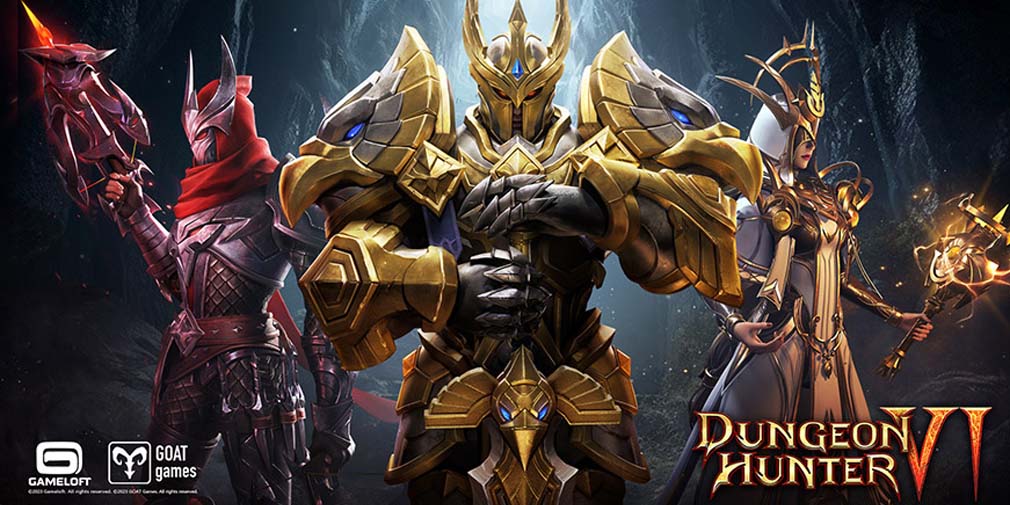
Dungeon Hunter 6 continues the legacy of an iconic hack-and-slash dungeon crawler RPG, delivering adrenaline-pumping action and deep character progression to mobile gamers worldwide. While the core combat is exhilarating, true mastery in this action-packed adventure hinges on a critical element: your Lieutenants. These powerful companions are more than just sidekicks; they are the linchpin of your strategy, determining your success in challenging dungeons, PvP arenas, and epic boss battles.
For both aspiring champions and seasoned veterans, understanding the hierarchy of these crucial allies is paramount. This guide dives deep into the world of Dungeon Hunter 6 Lieutenants, exploring what makes some truly legendary, how community-driven tier lists emerge, and crucially, how game analytics provides the definitive data behind their performance.
Mastering the Dungeon: Why Lieutenant Tiers Define Your Success
In a game as complex as Dungeon Hunter 6, where every decision impacts your combat effectiveness, knowing which Lieutenants to invest in can be the difference between triumph and defeat. A well-constructed Lieutenant tier list serves as a strategic roadmap, guiding players to build optimized teams, allocate precious resources wisely, and adapt to the ever-evolving meta.
But these lists aren't just based on gut feelings or forum discussions. For game developers, understanding the underlying data that shapes player perception and performance is critical for maintaining balance, fostering engagement, and ensuring a healthy game economy. Tier lists, in essence, are a reflection of the collective player experience, often validated by the cold, hard numbers of in-game analytics.
The Strategic Imperative: What Are Dungeon Hunter 6 Lieutenants?
Lieutenants in Dungeon Hunter 6 are unique, summonable units that fight alongside your main hero. Each possesses distinct skills, elemental affinities, and combat roles – from tanking frontline damage to dishing out devastating AoE attacks, providing crucial healing, or applying powerful buffs and debuffs. Their synergy with your hero and with each other is what truly unlocks their potential, making team composition a vital strategic layer.
Choosing the right Lieutenants for specific content – be it a challenging raid, a fast-paced arena skirmish, or a resource-heavy dungeon crawl – directly impacts your efficiency and chances of success. This is why a clear understanding of their power levels and utility is indispensable.
Decoding the Meta: An Analytics-Driven Lieutenant Tier Overview
A Lieutenant tier list categorizes these companions based on their overall strength, utility, and impact within the current game meta. While community perception plays a significant role, the most accurate and actionable tier assessments are often backed by rigorous data analysis. Here’s a typical breakdown of how these tiers are understood:
- SS-Tier: The Apex Predators – Lieutenants in this category are unequivocally dominant. They excel in almost all content, possess game-changing abilities, and often dictate the meta. Their performance metrics (usage rate, win rate) are consistently sky-high.
- S-Tier: Elite & Versatile – These Lieutenants are exceptionally strong and highly versatile, performing excellently across a wide range of content. They are often just a hair below SS-tier, perhaps lacking one specific aspect of dominance but making up for it with incredible reliability.
- A-Tier: Strong & Reliable – Solid choices that perform very well. They might not be as universally dominant as higher tiers but are highly effective when used correctly and can anchor many successful team compositions.
- B-Tier: Situational & Niche – These Lieutenants have specific strengths or excel in particular content types or team synergies. They require more strategic planning to shine but can be surprisingly powerful in the right hands.
- C-Tier and Below: Underpowered/Needs Rework – Lieutenants in lower tiers typically struggle to keep up with the current meta, often requiring significant investment for limited returns or being overshadowed by superior alternatives.
Spotlight on Dominance: What Makes a Top-Tier Lieutenant?
Top-tier Lieutenants don't just happen; they're often a confluence of potent design and meta relevance. From a player's perspective, they offer:
- Exceptional Damage Output: Whether single-target burst or wide-area devastation.
- Robust Survivability: Strong defensive stats, self-healing, or damage mitigation.
- Game-Changing Utility: Powerful crowd control (stuns, freezes), crucial buffs for allies, or significant debuffs for enemies.
- Versatility: Performing well in both PvE and PvP content, adapting to various team compositions.
From a developer's standpoint, these are the Lieutenants that consistently show high usage rates, leading to higher win rates in competitive modes, faster clear times in dungeons, and often, a strong correlation with player retention and even monetization (as players seek to acquire and upgrade these powerful units).
Mid-Tier Potential: The A-B Ranks and Niche Specialists
While SS and S-tier Lieutenants grab the headlines, the A and B tiers represent the backbone of many player rosters. A-tier units are often fantastic placeholders or even core components if you haven't acquired the absolute best. B-tier units, though requiring more strategic thought, can be incredibly rewarding for players who enjoy theorycrafting and discovering unique synergies.
For developers, monitoring these tiers is crucial. Analytics can reveal if a B-tier Lieutenant is underperforming across the board, signaling a need for buffs, or if a specific meta shift has unexpectedly elevated a previously niche A-tier unit. This data helps in identifying potential balance issues and opportunities for character reworks to increase overall roster viability.
Beyond the List: Leveraging Analytics for Unbeatable Strategy (and Better Game Design)
For Players: Optimizing Your Dungeon Hunter 6 Roster
A tier list is a starting point, not the definitive end. To truly optimize your Dungeon Hunter 6 experience:
- Understand Synergies: How do your Lieutenants interact with your hero and each other? A lower-tier unit might shine in the right composition.
- Consider Content: The "best" Lieutenant for PvP might not be ideal for a specific PvE raid.
- Personal Playstyle: Do you prefer aggressive offense, sturdy defense, or tactical support? Build a team that complements your approach.
- Resource Management: Prioritize upgrading Lieutenants that offer the most impact for your current stage of the game.
For Developers: Balancing the Battlefield with Data
For the creators of Dungeon Hunter 6, detailed analytics are the compass guiding game balance and future content. Key metrics tracked for Lieutenants include:
- Usage Rates: Which Lieutenants are players actually deploying, and in what content?
- Win Rates: How frequently do teams featuring specific Lieutenants achieve victory in competitive and challenging modes?
- Content Performance: Analyzing a Lieutenant's effectiveness in specific dungeons, raids, or events helps identify bottlenecks or overpowered strategies.
- Synergy Analysis: Tracking common Lieutenant pairings reveals powerful combinations and potential meta drivers.
- Player Sentiment vs. Data: Reconciling community discussions (which often form the basis of tier lists) with hard performance data ensures balance changes are both data-driven and player-centric.
This granular data enables developers to make informed decisions about balance patches, introduce new Lieutenants that fill strategic gaps, and maintain a vibrant, competitive, and fair game environment. It transforms subjective player feedback into objective, actionable insights.
The Ever-Evolving Meta: Adapting to Dungeon Hunter 6 Updates
The world of Dungeon Hunter 6 is dynamic. New Lieutenants are introduced, existing ones receive balance adjustments, and fresh content often shifts strategic priorities. Consequently, any tier list is a snapshot in time. What's top-tier today might be merely good tomorrow, and a previously overlooked unit could rise to prominence with a single patch.
This constant evolution makes ongoing analytics crucial. Developers continuously monitor the meta, using real-time data to identify emerging imbalances, prevent power creep, and ensure that a diverse range of Lieutenants remains viable and engaging for players. For players, staying informed and understanding these shifts is key to long-term success.
In Dungeon Hunter 6, your Lieutenants are more than just allies; they are an extension of your strategic prowess. By understanding their strengths, leveraging community insights, and appreciating the underlying data that shapes their performance, you can ascend to new heights of dungeon-crawling mastery. For developers, robust game analytics isn't just about numbers; it's about crafting an immersive, balanced, and endlessly engaging experience for every player.